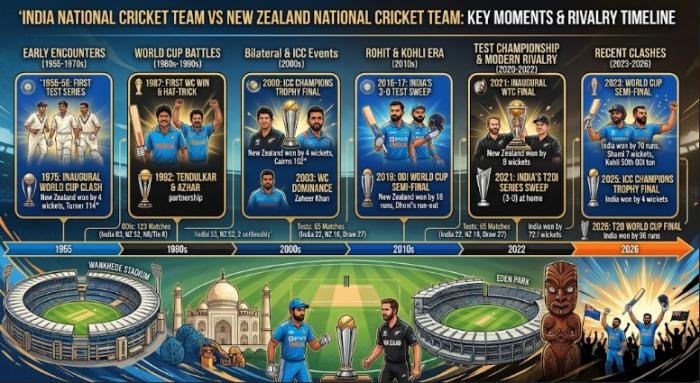
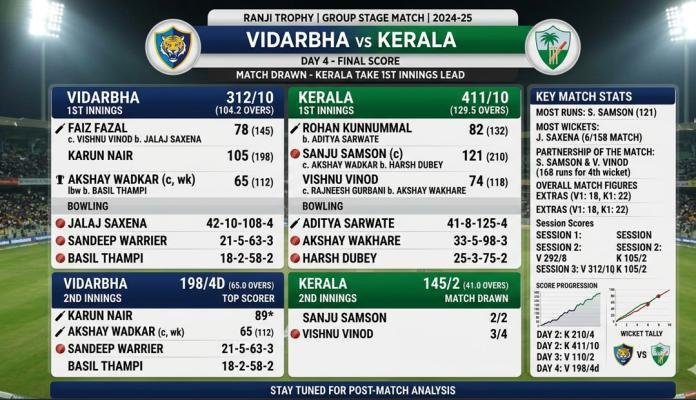
India National Cricket Team vs New Zealand National Cricket Team Players: Squads, Roles, Strengths and Matchups
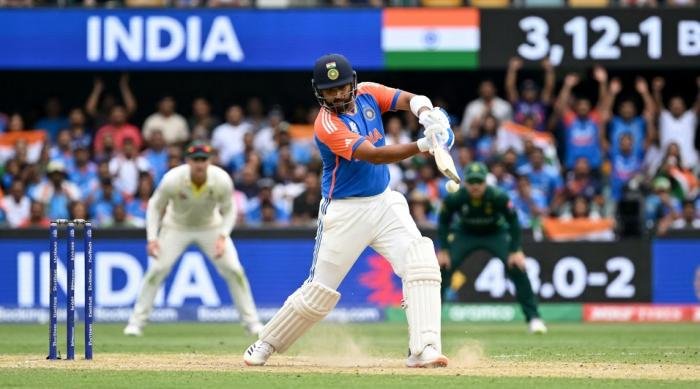
The india national cricket team vs new zealand national cricket team players matchup has remained one of the most competitive contests in international cricket. Both teams have produced outstanding batters, dependable all-rounders, wicketkeepers and world-class bowlers across different generations. India traditionally brings a deep batting lineup and a varied bowling attack, while New Zealand is widely respected for disciplined cricket, adaptable players and strong team balance. The exact players involved depend on the format and series, so squad announcements are important when discussing a particular contest.
For the upcoming 2026 New Zealand tour, the Board of Control for Cricket in India announced a 16-member India T20I squad led by Shreyas Iyer. The group includes Abhishek Sharma, Sanju Samson, Vaibhav Sooryavanshi, Ishan Kishan, Tilak Varma, Axar Patel, Shivam Dube, Nitish Kumar Reddy, Naman Dhir, Prince Yadav, Mayank Yadav, Arshdeep Singh, Bhuvneshwar Kumar, Varun Chakaravarthy and Kuldeep Yadav. India are scheduled to play five T20Is in Christchurch, Christchurch, Wellington, Auckland and Hamilton from October 22 to November 1, 2026.
| Team | Format discussed | Captain | Notable players | Main strengths |
| India | T20I | Shreyas Iyer | Abhishek Sharma, Sanju Samson, Tilak Varma, Axar Patel, Arshdeep Singh | Batting depth, spin, pace options |
| New Zealand | T20I | Mitchell Santner* | Finn Allen, Devon Conway, Daryl Mitchell, Glenn Phillips, Rachin Ravindra | Adaptability, all-rounders, pace attack |
Why India vs New Zealand Player Comparisons Matter
The india national cricket team vs new zealand national cricket team players comparison is interesting because the two sides often approach matches differently. India can field several specialist batters alongside multi-skilled all-rounders and multiple spin options. New Zealand, meanwhile, frequently relies on players who can contribute in more than one discipline, giving the side flexibility when conditions change.
Read More: How can i get a new gas pipeline connection? what should :i do to make the process easier?
Player selection can also change significantly between Tests, ODIs and T20Is. A batter who is ideal for a long innings in Test cricket may not necessarily have the same role in a T20 match. Similarly, a bowler selected for a short-format squad may be expected to attack during the powerplay or defend runs at the death rather than bowl long spells.
The latest 2026 India T20I squad demonstrates this format-specific approach. The selectors selected experienced names such as Bhuvneshwar Kumar alongside younger fast bowlers including Mayank Yadav and Prince Yadav. The batting group also contains several players capable of attacking from the beginning of an innings.
The New Zealand setup offers a similarly flexible group. The ICC’s 2026 New Zealand T20 World Cup squad included Finn Allen, Devon Conway, Mark Chapman, Daryl Mitchell, James Neesham, Glenn Phillips, Rachin Ravindra, Tim Seifert and several bowling options. Mitchell Santner was captain.
India National Cricket Team Players
India’s player pool has considerable depth across batting, wicketkeeping, all-round ability and bowling. The composition changes according to the competition, but the country has a large group of international-level cricketers from which selectors can choose.
For the 2026 T20I series in New Zealand, Shreyas Iyer is the captain, while Tilak Varma is vice-captain. Sanju Samson and Ishan Kishan provide wicketkeeping options, while Abhishek Sharma, Vaibhav Sooryavanshi and other attacking batters strengthen the top and middle order.
| India player | Primary role | Possible contribution |
| Shreyas Iyer | Batter | Captaincy and middle-order batting |
| Abhishek Sharma | Batter/all-round option | Aggressive opening and occasional bowling |
| Sanju Samson | Wicketkeeper-batter | Top-order scoring and wicketkeeping |
| Vaibhav Sooryavanshi | Batter | Aggressive batting option |
| Ishan Kishan | Wicketkeeper-batter | Left-handed batting and wicketkeeping |
| Tilak Varma | Batter | Middle-order stability and stroke play |
| Axar Patel | All-rounder | Left-arm spin and useful batting |
| Shivam Dube | All-rounder | Power hitting and medium pace |
| Nitish Kumar Reddy | All-rounder | Batting depth and seam bowling |
| Arshdeep Singh | Fast bowler | New-ball and death bowling |
| Bhuvneshwar Kumar | Fast bowler | Swing and experience |
| Varun Chakaravarthy | Spinner | Variation and middle-over control |
| Kuldeep Yadav | Spinner | Wrist-spin wicket-taking option |
| Mayank Yadav | Fast bowler | High-pace bowling |
India’s Batting Options
India’s batting strength is one of the major talking points whenever the india national cricket team vs new zealand national cricket team players are compared. The current T20I group has several players capable of accelerating the innings.
Abhishek Sharma is an aggressive option who can put pressure on bowlers during the powerplay. His ability to score quickly can change the direction of a T20 innings within a few overs. Sanju Samson offers experience at the top of the order and can combine conventional strokes with powerful hitting.
Ishan Kishan provides another left-handed option and gives the team wicketkeeping flexibility. Tilak Varma is particularly valuable in the middle order because he can rotate the strike while also attacking spin and pace. Shreyas Iyer adds experience and leadership.
Vaibhav Sooryavanshi is another interesting name in the squad. His inclusion reflects India’s willingness to provide opportunities to young batting talent. His presence also adds another attacking option to a squad that already has several aggressive players.
India’s All-Rounders
All-rounders can make a major difference in T20 cricket because they allow a team to build a deeper batting order without sacrificing bowling resources.
Axar Patel is particularly valuable because he contributes with both bat and ball. His left-arm spin can be useful in the middle overs, while his batting allows India to extend the lineup.
Shivam Dube brings power hitting and can provide medium-pace bowling when required. Nitish Kumar Reddy gives India another flexible option because he can contribute with the bat and seam bowling.
This depth can influence team selection. India may choose a combination based on the pitch, opposition batting lineup and expected conditions. Against a strong left-handed batting group, for example, the captain may prefer particular spin combinations.
India’s Bowling Attack
The Indian bowling group for the New Zealand T20I tour contains a mixture of pace, swing and spin.
Arshdeep Singh is one of the important fast-bowling options. His ability to operate during the powerplay and return at the end of the innings gives India tactical flexibility.
Bhuvneshwar Kumar’s return to the T20I setup is another major talking point. According to the ICC, he returned to India’s T20I squad after last playing the format in November 2022, bringing extensive experience and swing-bowling ability.
Mayank Yadav provides a different pace option, while Prince Yadav adds another fast-bowling choice. In spin, Varun Chakaravarthy and Kuldeep Yadav offer contrasting styles.
Varun can use changes of pace and variations to make scoring difficult in the middle overs. Kuldeep’s wrist-spin can create wicket-taking opportunities against batters who struggle to read changes in angle and turn.
New Zealand National Cricket Team Players
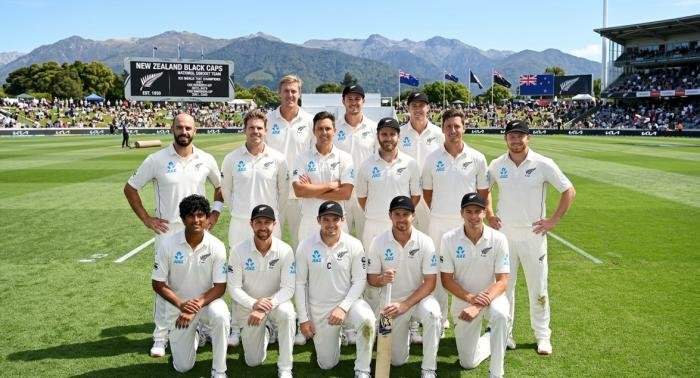
New Zealand’s strength comes from a combination of technically strong batters, powerful all-rounders and experienced bowlers. The country has consistently produced cricketers capable of performing in different international conditions.
The New Zealand squad listed by the ICC for the 2026 T20 World Cup included Mitchell Santner, Finn Allen, Devon Conway, Mark Chapman, Daryl Mitchell, James Neesham, Glenn Phillips, Rachin Ravindra, Tim Seifert, Cole McConchie, Ish Sodhi, Jacob Duffy, Matt Henry, Lockie Ferguson and Kyle Jamieson.
This group illustrates New Zealand’s emphasis on versatility. Several players can bat and bowl, while the specialist bowlers bring different types of pace and spin.
New Zealand’s Major Batting Names
Finn Allen is one of New Zealand’s explosive batting options. His attacking style can be particularly dangerous during the powerplay because he looks to score quickly rather than allowing bowlers to settle.
Devon Conway provides a contrasting style. He can build an innings, manipulate the field and accelerate when necessary. His wicketkeeping ability also gives New Zealand additional flexibility.
Daryl Mitchell is one of the side’s experienced all-round batting options. He can handle pace and spin and has played important innings across formats.
Glenn Phillips is another dynamic player. He can contribute with powerful batting, athletic fielding and occasional off-spin. His ability to influence multiple parts of the game makes him valuable in T20 cricket.
Rachin Ravindra has also become an important part of New Zealand’s modern setup. His ability to bat and bowl left-arm spin makes him useful when the team wants additional balance.
New Zealand’s All-Rounders
New Zealand has several players who can fill multiple roles. Mitchell Santner is arguably the clearest example. He contributes as a left-arm spinner, lower-order batter and captain. His ability to control the tempo of a game can be especially useful in the middle overs.
Rachin Ravindra can contribute at the top or middle of the batting order while also providing spin bowling. Daryl Mitchell provides batting strength and can contribute with the ball when needed.
James Neesham has long been valued for his ability to provide power hitting and medium-pace bowling. Glenn Phillips can also contribute in different areas.
These multi-skilled players can affect how New Zealand builds its XI. The captain can select additional specialists while relying on all-rounders to cover other overs or batting positions.
New Zealand’s Bowling Options
New Zealand’s bowling group combines pace and spin. Matt Henry provides experience and can create movement with the new ball. Lockie Ferguson brings high pace and can challenge batters with short deliveries and fast attacking spells.
Kyle Jamieson provides height, bounce and seam movement. Jacob Duffy offers another pace option, while Ish Sodhi gives New Zealand an experienced leg-spin choice.
Mitchell Santner provides left-arm orthodox spin, creating a different challenge from Sodhi. This variety allows New Zealand to change bowling combinations depending on pitch conditions.
India vs New Zealand: Batting Comparison
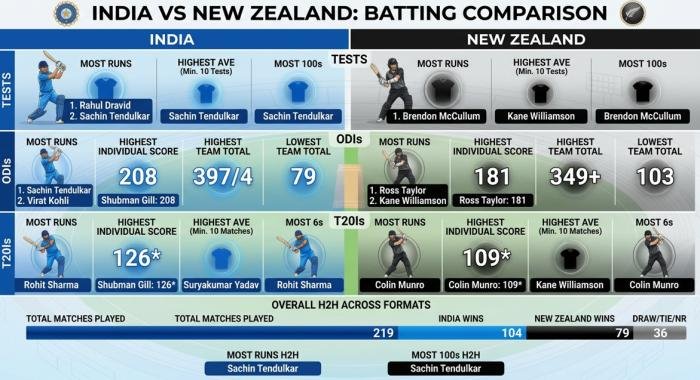
When examining the india national cricket team vs new zealand national cricket team players, batting depth is one of the most interesting areas.
India’s current T20I squad includes multiple aggressive top-order options and several players who can bat through the middle overs. The presence of Abhishek Sharma, Sanju Samson, Ishan Kishan, Tilak Varma and Shreyas Iyer gives the team multiple possible batting combinations.
New Zealand’s options include Finn Allen, Devon Conway, Mark Chapman, Daryl Mitchell, Glenn Phillips and Rachin Ravindra. Their styles are different, allowing the team to construct an innings according to match conditions.
India may have an advantage in sheer depth, but New Zealand’s ability to adapt should not be underestimated. In a short-format game, one explosive powerplay or one exceptional middle-order innings can change the entire result.
India vs New Zealand: Bowling Comparison
India can use Arshdeep Singh and Bhuvneshwar Kumar with the new ball, depending on the XI selected. Both offer movement and control. Mayank Yadav provides pace, while Varun Chakaravarthy and Kuldeep Yadav create contrasting spin threats.
New Zealand can turn to Matt Henry, Lockie Ferguson, Kyle Jamieson and Jacob Duffy for pace. Santner and Sodhi provide spin, with other all-rounders capable of contributing additional overs.
The difference may come down to conditions. If the pitch offers seam movement, New Zealand’s fast bowlers could become particularly influential. If the surface slows down, India’s variety of spin could become more valuable.
The Importance of New Zealand Conditions
New Zealand pitches can offer movement and bounce, particularly for fast bowlers. Weather can also influence the way teams approach a match. Batters may need to adjust their techniques when facing seam movement early in the innings.
For India’s touring players, adapting quickly is important. Bhuvneshwar Kumar’s experience with swing bowling could be especially useful in these conditions, while India’s other pace bowlers may be asked to maintain disciplined lines.
The five-match 2026 T20I series begins in Christchurch before moving to Wellington, Auckland and Hamilton.
Head-to-Head Player Matchups to Watch
One of the most exciting aspects of the india national cricket team vs new zealand national cricket team players contest is the individual battle between batters and bowlers.
Finn Allen vs India’s New-Ball Bowlers
Finn Allen’s aggressive batting means India’s opening bowlers will have to maintain disciplined lines. Giving him width could allow him to attack through the off side, while predictable pace could also be punished.
Devon Conway vs Indian Spin
Conway’s ability to rotate the strike could be tested by India’s spin attack. Kuldeep Yadav and Varun Chakaravarthy can create different problems because they rely on different methods of deception.
India’s Top Order vs Matt Henry
India’s opening batters will have to respect movement from Matt Henry. If Henry finds early swing, India’s batters may need to prioritize survival before launching their attacking shots.
Daryl Mitchell vs Indian All-Rounders
Daryl Mitchell is capable of handling different bowling styles. India’s all-rounders could therefore have an important role when trying to restrict his scoring options.
Glenn Phillips vs Spin
Phillips’ power makes him dangerous when spinners miss their length. India’s spin bowlers will need to vary speed and trajectory rather than repeatedly bowling predictable deliveries.
Role of Wicketkeepers
Wicketkeepers are an important part of the india national cricket team vs new zealand national cricket team players discussion.
India’s current T20I squad contains Sanju Samson and Ishan Kishan as wicketkeeping options. Both are capable of contributing with the bat, giving the selection team flexibility.
New Zealand has wicketkeepers such as Devon Conway and Tim Seifert. Conway can provide stability, while Seifert offers aggressive T20 batting.
The wicketkeeper’s role extends beyond catching. Quick decisions behind the stumps, communication with bowlers and reading the batter’s movement can all affect the outcome.
Captaincy and Tactical Decisions
Captaincy can influence a close India-New Zealand game as much as individual skill.
Shreyas Iyer is leading India’s announced 2026 T20I squad. His responsibilities include deciding the batting order, selecting bowling changes and managing the use of spin and pace.
Mitchell Santner has been New Zealand’s T20I captain in the 2026 World Cup squad. His experience as a spinner gives him a strong understanding of matchups and pitch behavior.
A captain may also have to respond quickly when a particular batter becomes dominant. Bowling changes, field placements and the timing of reviews can make a difference in tight matches.
Young Players to Watch
Young talent adds another dimension to the rivalry. India’s 2026 T20I squad includes Vaibhav Sooryavanshi, Prince Yadav and Mayank Yadav. Their inclusion gives India opportunities to combine established international experience with emerging talent.
New Zealand has also developed a strong pipeline of younger cricketers, with Rachin Ravindra among the prominent names in the current setup. His ability to contribute with both bat and ball gives New Zealand another player capable of influencing matches in several ways.
Young players can be unpredictable because they may play with fewer preconceived limitations. At the same time, international pressure can test decision-making and consistency.
Experienced Players and Their Value
Experience remains important in high-pressure international matches.
India’s selection of Bhuvneshwar Kumar for the 2026 T20I tour demonstrates the value of experience. His return provides a bowler who understands international pressure and can potentially exploit movement in New Zealand conditions.
New Zealand similarly benefits from experienced players such as Santner, Conway, Daryl Mitchell, Henry and Ferguson. These players have played international cricket in different countries and formats.
Experience is especially useful when conditions become difficult. A senior player can slow the game down, assess the pitch and make better tactical decisions rather than reacting impulsively.
How Team Balance Can Decide the Match
A strong squad does not automatically produce a strong playing XI. Balance is critical.
India could potentially use a combination of specialist batters, wicketkeeper-batters, all-rounders, fast bowlers and spinners. The exact combination will depend on pitch conditions and the team’s tactical plan.
New Zealand has similar flexibility. Santner, Ravindra, Phillips, Neesham and Daryl Mitchell allow the side to include multiple players who can perform more than one role.
The challenge for both captains is deciding how much specialization is necessary. Too many specialist batters can weaken the bowling attack, while too many bowling options can leave the batting order short of depth.
Possible India Strengths
India’s main strengths include:
- A deep pool of batting talent
- Multiple wicketkeeping choices
- Left- and right-handed batting combinations
- Experienced and emerging fast bowlers
- Two contrasting specialist spin options
- Several all-rounders
- Strong middle-order flexibility
These qualities can make India difficult to predict. The team can change its combination according to the opposition.
Possible New Zealand Strengths
New Zealand’s strengths include:
- Strong opening batting options
- Experienced middle-order players
- Several all-rounders
- Reliable seam-bowling choices
- Left-arm and leg-spin options
- Strong fielding ability
- Players accustomed to home conditions
New Zealand’s balance is particularly useful when the match becomes tactical. The team can alter its approach without necessarily making major personnel changes.
Why Player Form Matters
Names alone do not decide cricket matches. Current form is crucial.
A player with a strong career record may struggle if technique, confidence or fitness is not at its best. Conversely, a less experienced player can make a major impact after finding rhythm.
For this reason, readers following the india national cricket team vs new zealand national cricket team players should check the confirmed playing XI before a specific match rather than relying only on the broader squad list.
Squads can contain 15 or 16 players, but only 11 normally start a match. Injuries, workload management, pitch conditions and tactical choices can all change the final XI.
Fitness and Squad Changes
Fitness can have a major effect on international selection.
The BCCI’s January 2026 ODI squad announcement, for example, noted Shreyas Iyer’s availability as subject to fitness clearance. It also showed how players can move between formats depending on workload and fitness considerations.
This is why player lists should be treated as format-specific and series-specific. An India Test squad will not necessarily resemble the T20I group, and the same principle applies to New Zealand.
The latest official announcement should always be checked before publishing a match preview or predicted XI.
India vs New Zealand Players Across Formats
The comparison becomes even more interesting when Test, ODI and T20 cricket are considered separately.
In Test cricket, teams generally prioritize technique, patience, bowling endurance and long-term consistency. Players who can bat for several hours or bowl long spells become particularly valuable.
ODI cricket requires a combination of patience and acceleration. Batters must build partnerships while maintaining a scoring rate, and bowlers need to perform during different phases.
T20 cricket is more specialized. Powerplay scoring, boundary hitting, death bowling and matchup-based selection become increasingly important.
Therefore, the phrase india national cricket team vs new zealand national cricket team players can refer to very different groups depending on the tournament or series.
2026 India-New Zealand T20I Schedule
The upcoming five-match T20I series provides several opportunities to compare these squads. According to the BCCI announcement, the matches are scheduled for October 22 and 24 in Christchurch, October 27 in Wellington, October 30 in Auckland and November 1 in Hamilton.
The repeated matches can also allow both teams to adjust. If a particular bowling strategy works in the first match, the opposition can prepare for it in the next game. Likewise, batters can modify their approach after facing the same bowlers multiple times.
This makes a five-match series different from a single knockout game. Teams have more opportunities to experiment while still trying to build momentum.
What Fans Should Watch During the Series
Fans following the india national cricket team vs new zealand national cricket team players should pay attention to several areas.
First, watch the powerplay. The battle between opening batters and new-ball bowlers can establish the tone of the innings.
Second, watch the middle overs. This is where spin and all-rounders can control scoring.
Third, observe the final overs. Death bowling is one of the most difficult skills in T20 cricket, while batters with power can dramatically change the score in only a few deliveries.
Finally, watch fielding. A spectacular catch, direct hit or boundary-saving effort can decide a close match.
India vs New Zealand Players: Overall Comparison
India offers significant batting depth, a broad selection of all-rounders and contrasting spin options. The addition of Bhuvneshwar Kumar also gives the T20I bowling group more experience.
New Zealand has a balanced group containing aggressive batters, experienced middle-order players, versatile all-rounders and a varied bowling attack. The presence of Santner, Conway, Daryl Mitchell, Phillips and Ravindra gives the team multiple ways to build an XI.
There is no single player list that can guarantee which side will perform better. Cricket depends on conditions, form, matchups, execution and pressure management.
Final Thoughts on India National Cricket Team vs New Zealand National Cricket Team Players
The india national cricket team vs new zealand national cricket team players matchup brings together two teams with impressive depth and contrasting strengths. India’s combination of aggressive batting, versatile all-rounders, pace and spin gives the side plenty of tactical options. New Zealand counters with adaptable batters, experienced all-rounders, disciplined bowling and strong knowledge of home conditions.
The latest announced India T20I squad contains 16 players, with Shreyas Iyer as captain, while New Zealand’s recent T20 squad has featured established names such as Mitchell Santner, Finn Allen, Devon Conway, Daryl Mitchell, Glenn Phillips and Rachin Ravindra.
For fans, the most interesting part is not simply comparing names. It is seeing how each player fits into the team’s strategy. A batter’s position, a bowler’s phase, an all-rounder’s workload and a captain’s tactical choices can all affect the final result.
As the 2026 T20I series approaches, confirmed playing XIs will provide the clearest picture of which players are selected for each match. Until then, the squad lists offer a strong indication of the talent available to both sides.
Frequently Asked Questions
Q1. Who are the main India players in the upcoming T20I series against New Zealand?
A: India’s announced 2026 T20I squad includes Shreyas Iyer, Abhishek Sharma, Sanju Samson, Vaibhav Sooryavanshi, Ishan Kishan, Tilak Varma, Axar Patel, Shivam Dube, Nitish Kumar Reddy, Naman Dhir, Prince Yadav, Mayank Yadav, Arshdeep Singh, Bhuvneshwar Kumar, Varun Chakaravarthy and Kuldeep Yadav. Shreyas Iyer is the captain and Tilak Varma is the vice-captain.
Q2. Who are the main New Zealand players to watch against India?
A: Important New Zealand names include Mitchell Santner, Finn Allen, Devon Conway, Mark Chapman, Daryl Mitchell, James Neesham, Glenn Phillips, Rachin Ravindra, Tim Seifert, Matt Henry, Lockie Ferguson, Kyle Jamieson, Jacob Duffy and Ish Sodhi. The exact playing XI can vary by match.
Q3. Who is the captain of India’s 2026 T20I squad against New Zealand?
A: Shreyas Iyer is the captain of India’s announced 16-member T20I squad for the 2026 tour of New Zealand. Tilak Varma has been named vice-captain.
Q4. Who is the captain of New Zealand’s recent T20 squad?
A: Mitchell Santner was captain of New Zealand’s squad for the 2026 ICC Men’s T20 World Cup. The New Zealand squad included players such as Finn Allen, Devon Conway, Daryl Mitchell, Glenn Phillips and Rachin Ravindra.
Q5. How many T20I matches will India play against New Zealand in the 2026 tour?
A: India are scheduled to play five T20Is against New Zealand. The matches are scheduled for October 22, October 24, October 27, October 30 and November 1, 2026, with venues in Christchurch, Wellington, Auckland and Hamilton.
Q6. Which Indian bowlers could be important in New Zealand conditions?
A: Arshdeep Singh and Bhuvneshwar Kumar could be particularly important with the new ball because of their ability to generate movement. Mayank Yadav provides pace, while Varun Chakaravarthy and Kuldeep Yadav offer spin options. Bhuvneshwar’s return is notable because the ICC reported that he had not played a T20I for India since November 2022.