Loom Solar: Panels, Prices, Systems and Warranty Guide 2026
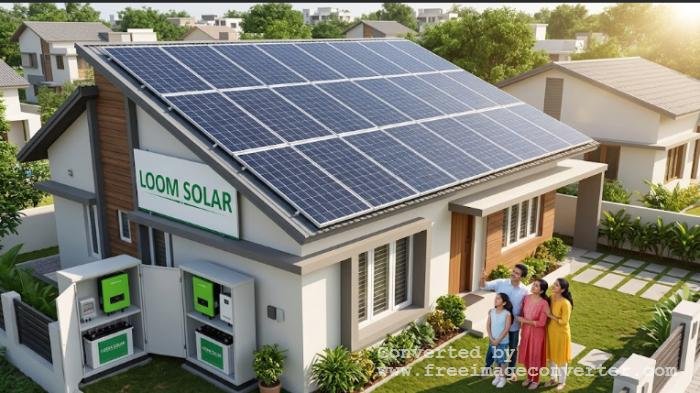
Loom Solar is one of the Indian solar brands you may come across while comparing panels, inverters, batteries, and complete rooftop systems. The company offers products for residential, commercial, and industrial applications, including solar panels, solar inverters, lithium batteries, and energy-storage solutions.
Its current product range includes SHARK solar panels, FUSION inverters, CAML lithium batteries, and complete solar system packages. But choosing a solar system involves more than finding a familiar brand. You need to consider your electricity consumption, roof area, sunlight conditions, inverter capacity, battery requirements, warranty, installation quality, and the total cost of ownership.
Read More: New York Magazine: History, Journalism and Cultural Impact
What Is Loom Solar?
Loom Solar is an Indian solar-energy company headquartered in Faridabad, Haryana. According to the company’s own information, it was founded in 2018 by brothers Amol and Amod Anand and focuses on solar panels, inverters, lithium batteries, and related energy solutions.
The company’s current portfolio covers more than individual solar modules. Its website lists solar panels, solar inverters, lithium batteries, rooftop solar packages, hybrid systems, and battery energy-storage solutions.
That broader product range can be useful for customers who want to source several components from the same solar provider. However, the right choice still depends on the specifications of the individual system rather than the brand name alone.
What Products Does Loom Solar Offer?
Solar Panels: Solar panels are the main electricity-generating component of a photovoltaic system. Loom Solar currently sells panels in different capacities and technologies. Its online catalog includes smaller modules intended for applications such as mobile charging and small battery systems, as well as high-capacity rooftop and commercial panels. Current listings include 550 W, 600 W, 625 W and higher-capacity SHARK products. Higher-wattage panels can reduce the number of modules required for a particular system capacity, although the best panel is not necessarily the one with the highest wattage. Roof dimensions, panel layout, shading, structural considerations, and system design also matter.
Solar Inverters: A solar inverter converts the electricity generated by solar panels into usable electricity for a home or business. Loom Solar’s FUSION range includes on-grid and hybrid inverter products in multiple capacities. Its current catalog includes residential models as well as larger three-phase units designed for commercial applications. The inverter should be selected according to the solar array, electrical load, phase configuration, battery requirements, and local installation conditions.
Lithium Batteries: Battery storage can be useful when backup power is important or when a customer wants to store solar electricity for later use. Loom Solar currently markets CAML lithium batteries and other energy-storage products for residential and commercial applications. Lithium batteries can provide advantages such as compact design and potentially longer service life compared with some traditional battery technologies. However, buyers should examine usable capacity, battery chemistry, cycle rating, warranty terms, compatibility, and installation requirements rather than focusing only on the battery’s headline capacity.
Complete Solar Systems: For customers who do not want to select every component separately, Loom Solar also lists complete solar-system packages. Its catalog currently includes systems such as 3 kW and 5 kW on-grid packages along with larger commercial systems and hybrid solutions. A packaged system can simplify purchasing, but always verify exactly what is included. A quoted package may or may not include installation, mounting structures, wiring, transportation, approvals, batteries, or other project-specific costs.
Loom Solar Panel Technology
Solar panel technology has changed significantly in recent years, and Loom Solar’s current range includes several panel technologies.
Mono PERC Panels: Mono PERC technology has been widely used in residential and commercial solar installations. Loom Solar’s catalog includes mono PERC and half-cut modules in different capacities. Half-cut cell designs can help improve module performance and reduce certain electrical losses. Actual output, however, depends on the complete system and environmental conditions.
TOPCon and Bifacial Panels: The company’s newer SHARK range includes N-type TOPCon bifacial products. Some listings also feature dual-glass construction and higher-capacity modules. Bifacial panels can generate electricity from light reaching the rear side of the module. Their real-world benefit depends heavily on installation conditions, ground or roof reflectivity, mounting height, and system design.
Choosing Panel Wattage: Do not choose a solar panel solely because it has the largest wattage number. For example, a 600 W panel may be attractive for a limited roof area, but the best configuration depends on how many panels can physically fit, how they can be oriented, and how the inverter handles the resulting electrical characteristics. A professional site assessment is particularly useful when the roof has multiple sections, shading, unusual geometry, or structural limitations.
Loom Solar Prices: What Affects the Cost?
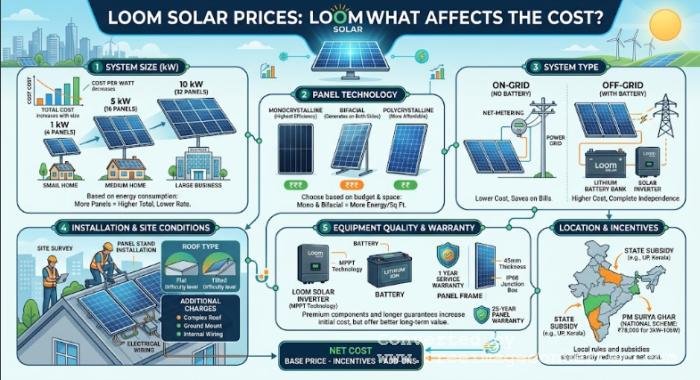
There is no single price for a Loom Solar installation because a solar project consists of multiple components. The current online catalog shows individual panels and complete systems at different prices, and these prices can change with product specifications, promotions, system configuration, and market conditions.
| System Component | What to Compare | Why It Matters |
| Solar panels | Wattage, technology, efficiency, warranty | Determines generation capacity and roof usage |
| Inverter | Capacity, type, efficiency, compatibility | Controls electricity conversion and system operation |
| Battery | Usable capacity, chemistry, cycle life, warranty | Determines backup capability |
| Mounting structure | Material, design, corrosion resistance | Affects durability and installation quality |
| Installation | Labor, wiring, protection equipment | Influences safety and reliability |
| Service | Warranty process and technical support | Important for long-term ownership |
Loom Solar Warranty and After-Sales Service
Warranty is one of the most important areas to check before purchasing solar equipment. Loom Solar states that its solar panels generally carry a 25-year performance warranty, while its FAQ also states a 10-year product warranty for solar panels. Individual products can have different warranty periods, so buyers should verify the exact warranty applicable to the model they are purchasing.
The company’s product catalog also displays different warranty periods for different products. For example, some current SHARK panels are listed with warranties of up to 30 years, while certain inverters have 10-year warranties and some hybrid systems have 5-year warranties. This makes one point particularly important: always read the warranty for the exact model rather than assuming every Loom Solar product has the same coverage.
Is Loom Solar Suitable for Home Use?
Loom Solar offers products aimed at residential customers, including rooftop panels, on-grid systems, hybrid systems, batteries, and smaller solar products. For a home, the appropriate system size depends primarily on electricity consumption.
A household with modest consumption may need a relatively small installation, while a larger home with air conditioners, refrigerators, pumps, computers, and other high-load appliances may require substantially more capacity.
The company’s solar calculator also emphasizes that final system sizing depends on electricity consumption, location, available rooftop area, shading, electricity tariff, and system design. That is a sensible approach because solar capacity should be calculated rather than selected purely from a neighbor’s system size.
How to Choose the Right Loom Solar System
Calculate Electricity Consumption: Start with your electricity bills. Look at your average monthly units rather than relying on a single high-consumption month. Seasonal usage can be very different, particularly in homes that use air conditioning or heating. Your installer can then estimate the solar capacity required to offset an appropriate portion of your electricity consumption.
Check Roof Space: Available roof area is another major factor. A system may require substantial usable space once access paths, shadows, setbacks, equipment, and maintenance requirements are considered. Keep nearby trees, buildings, water tanks, and other structures in mind because shading can reduce solar production.
Decide Between On-Grid and Hybrid
An on-grid system works with the electricity grid and is generally focused on reducing electricity purchases through solar generation. A hybrid system adds battery storage, making it more suitable for customers who place a higher priority on backup power or energy storage. Neither option is universally better. Your electricity supply reliability, budget, backup requirements, and local regulations should guide the decision.
Compare Total System Cost
Ask for a written quotation that clearly identifies the equipment being supplied. The quotation should specify panel model, panel capacity, inverter model, battery specifications if applicable, mounting structure, installation work, cables, protections, monitoring equipment, taxes, and other charges.
Advantages and Limitations
Potential Advantages
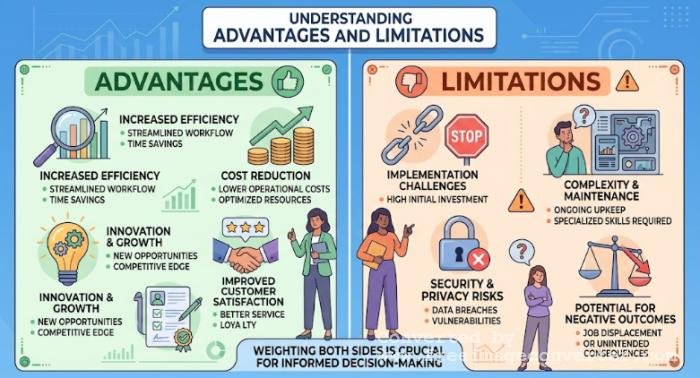
One benefit of Loom Solar is the breadth of its current product ecosystem. The company offers panels, inverters, batteries, rooftop systems, and larger energy-storage solutions rather than focusing on one product category. Another advantage is the availability of different panel technologies and system sizes. Customers can choose between smaller products and higher-capacity modules depending on their application.
Things to Check Before Buying
Brand reputation should not replace technical due diligence. Before purchasing, verify:
- Exact model number
- Panel wattage and technology
- Inverter specifications
- Battery chemistry and usable capacity
- Applicable warranty
- Installation scope
- Expected annual generation
- Roof condition and shading
- Service arrangements
- Total project cost
Loom Solar vs Other Solar Options
When comparing Loom Solar with another solar brand, use the same criteria for both. Start with panel technology and specifications. Then compare inverter efficiency and features, battery specifications where applicable, warranty terms, installer experience, service availability, expected generation, and total project cost.
A 550 W panel from one manufacturer and a 550 W panel from another may have different dimensions, electrical characteristics, construction, warranty terms, and performance characteristics.
Final Buying Checklist
Before placing an order, ask these questions:
- What exact solar panel model will be installed?
- What is the total system capacity?
- Which inverter model is included?
- Is the system on-grid, off-grid, or hybrid?
- Is a battery included?
- What is the battery’s usable capacity?
- What warranty applies to every major component?
- Is installation included in the quotation?
- What mounting structure and protection equipment will be used?
- What annual energy generation is expected?
- How will warranty claims be handled?
- Are there any additional transportation, electrical, approval, or installation charges?
Final Thoughts
Loom Solar has built a broad solar product portfolio covering panels, inverters, batteries, rooftop systems, and energy storage. Its current range includes technologies such as mono PERC, TOPCon, bifacial and higher-capacity solar modules, alongside residential and commercial system options.
For buyers, the most important lesson is not to choose a solar system based on brand name or advertised price alone. Compare the exact components, expected generation, warranty, installation quality, service support, and total project cost.
If you are considering Loom Solar for your home or business, start with your electricity consumption and roof conditions, obtain a detailed quotation, and verify the specifications and warranty of every major component before making the final decision.
FAQs
Q1: What is Loom Solar?
Ans: Loom Solar is an Indian solar-energy company that offers solar panels, inverters, lithium batteries, rooftop solar systems, and energy-storage solutions for residential and commercial applications.
Q2: Is Loom Solar suitable for home use?
Ans: Yes. Loom Solar offers residential solar panels, on-grid systems, hybrid systems, batteries, and other products designed for household applications. The appropriate system depends on electricity consumption, roof space, shading, and backup requirements.
Q3: What products does Loom Solar sell?
Ans: Its current portfolio includes SHARK solar panels, FUSION solar inverters, CAML lithium batteries, complete rooftop systems, and battery energy-storage solutions.
Q4: What is the warranty on Loom Solar panels?
Ans: Loom Solar’s FAQ states a 25-year performance warranty and 10-year product warranty for solar panels, while individual current products may display different warranty terms, including longer periods. Always confirm the warranty for the exact model before purchasing.
Q5: How much does a Loom Solar system cost?
Ans: The price depends on system capacity, panel technology, inverter, battery requirements, installation, and other components. Loom Solar’s current catalog lists different prices for individual products and complete systems, so there is no single price applicable to every installation.
Q6: Does Loom Solar offer batteries?
Ans: Yes. Loom Solar currently offers lithium battery products and broader energy-storage solutions for residential and commercial applications.
Q7: Does Loom Solar provide after-sales service?
Ans: The company provides warranty registration and technical support through its service channels. Its service page states that it offers digital service and complaint resolution, with a general stated resolution period of 3–7 days across India.