Cute Animals: 25 Adorable Creatures That Will Make You Smile
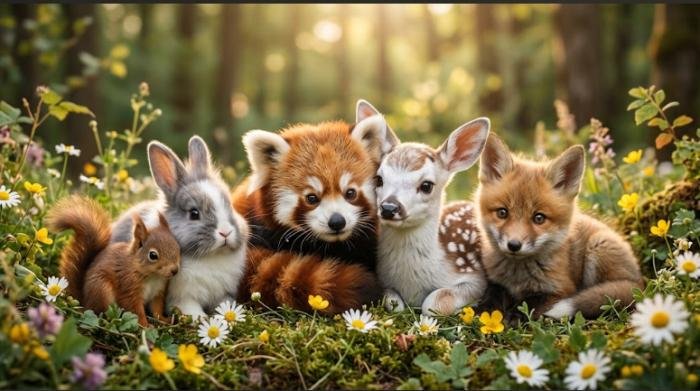
Every day, millions of people search for cute animals to brighten their mood, relieve stress, or simply enjoy nature’s most lovable creatures. Yet many articles only showcase adorable photos without explaining what makes these animals so special, where they live, or why many of them are facing serious threats in the wild. This leaves readers entertained but not truly informed. That’s where this guide is different.
You’ll meet 25 of the world’s most adorable animals, learn fascinating facts about their behaviors and habitats, understand the science behind their irresistible charm, and discover why protecting them matters. Whether you’re an animal lover, student, parent, or wildlife enthusiast, this resource is designed to entertain, educate, and inspire while helping you appreciate cute animals on a deeper level.
Read More: Free Fire Invisible Space: Copy Blank Name Easily in 2026
What Makes Animals So Cute?
People often wonder why some animals instantly capture our hearts. The answer lies in both biology and psychology. Many cute animals share features that resemble human babies. These include:
- Large, expressive eyes
- Small noses and mouths
- Soft fur or feathers
- Round faces
- Tiny bodies
- Gentle behavior
Researchers call these characteristics the “baby schema.” Our brains naturally respond to these features with feelings of affection and protection. This instinct has helped humans care for their own children throughout evolution and also explains why adorable animals are so appealing.
Why People Love Cute Animals
There are many reasons why cute animals continue to attract millions of fans around the world.
They Reduce Stress: Watching adorable animals has been linked to lower stress levels. A few minutes of enjoying animal photos or videos can help people feel calmer after a busy day.
They Bring Families Together: Parents often introduce children to wildlife through books, documentaries, and zoo visits. Learning about animals becomes a fun family activity while encouraging kindness toward nature.
They Inspire Wildlife Conservation: Many people begin supporting conservation organizations after learning about endangered species. Admiring beautiful animals often inspires people to help protect their habitats.
Quick Comparison of Some Popular Cute Animals
| Animal | Native Habitat | Interesting Feature | Conservation Status |
| Red Panda | Himalayan Forests | Bushy striped tail | Endangered |
| Fennec Fox | Sahara Desert | Huge ears for cooling | Least Concern |
| Quokka | Western Australia | Naturally smiling face | Vulnerable |
| Sea Otter | Pacific Coast | Uses tools to open shells | Endangered in some regions |
| Hedgehog | Europe, Asia, Africa | Rolls into a protective ball | Least Concern |
25 Cute Animals That Will Make You Smile
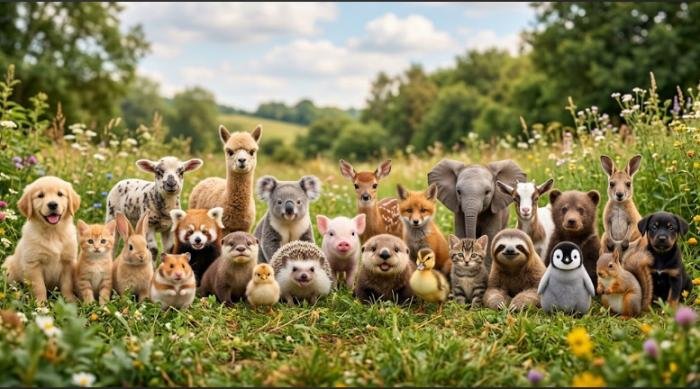
Below are the 25 adorable animals that deserve a place on every animal lover’s list.
1. Red Panda
The red panda is often considered one of the most charming animals on Earth. With its reddish-orange fur, fluffy striped tail, and curious face, it’s easy to understand why so many people adore it.
Unlike giant pandas, red pandas spend much of their lives climbing trees in the forests of Nepal, Bhutan, India, Myanmar, and China. They mainly eat bamboo but also enjoy fruits, berries, insects, and bird eggs.
Fun Fact: Red pandas use their long tails like blankets to stay warm during cold mountain nights.
2. Fennec Fox
Native to the Sahara Desert, the fennec fox is famous for its enormous ears. These ears are not just adorable—they help release body heat and allow the fox to hear prey moving beneath the sand. Despite living in one of the hottest environments on Earth, this tiny fox thrives thanks to remarkable adaptations.
Fun Fact: The fennec fox is the world’s smallest fox species.
3. Quokka
Known as the “world’s happiest animal,” the quokka has become an internet sensation because its facial expression often appears to be smiling. Quokkas live mainly on Rottnest Island in Western Australia. They are curious, friendly marsupials that enjoy eating leaves, grasses, and shrubs. Although they seem approachable, visitors should admire them from a respectful distance and never feed them human food.
Fun Fact: Quokkas can survive for long periods without drinking water by getting moisture from plants.
4. Sea Otter
Sea otters spend much of their lives floating on the ocean’s surface. They hold hands while sleeping so they don’t drift away from one another—a behavior many people find incredibly heartwarming. These intelligent marine mammals also use rocks as tools to crack open shellfish, demonstrating impressive problem-solving skills.
Fun Fact: Sea otters have one of the densest coats of fur of any mammal, helping them stay warm in cold water.
5. Hedgehog
Tiny, quiet, and full of personality, hedgehogs are among the most recognizable small mammals. When threatened, they curl into a tight ball, protecting themselves with thousands of sharp spines. Fortunately, those spines rarely cause serious harm to humans when handled properly. Their nighttime adventures searching for insects make them valuable helpers in many gardens.
Fun Fact: Hedgehogs can travel surprisingly long distances during a single night while searching for food.
6. Arctic Fox
The Arctic fox has one of nature’s most beautiful winter coats. Its thick white fur helps it blend into snowy landscapes while staying warm during freezing temperatures. In summer, its coat changes color to brown or gray, providing excellent camouflage against rocks and vegetation.
Fun Fact: Arctic foxes can survive temperatures below -50°C (-58°F).
7. Koala
Koalas are famous for spending most of their day sleeping among eucalyptus trees. Although many people call them bears, they are actually marsupials. Their slow lifestyle helps conserve energy because eucalyptus leaves provide limited nutrition.
Fun Fact: Koalas sleep up to 20 hours each day.
8. Rabbit
Rabbits have been beloved companions for centuries. Their soft fur, twitching noses, and playful hopping make them popular pets as well as fascinating wild animals. Wild rabbits play an important ecological role by helping spread plant seeds and providing food for predators.
Fun Fact: A rabbit’s teeth never stop growing throughout its life.
9. Pygmy Marmoset
The pygmy marmoset is the world’s smallest monkey. Adults are small enough to fit comfortably in a person’s hand. These tiny primates live high in the rainforests of South America, feeding on tree sap, insects, and fruits.
Fun Fact: Pygmy marmosets communicate using high-pitched sounds that humans often cannot hear.
10. Penguin Chick
Few baby birds are as adorable as penguin chicks. Covered in fluffy gray feathers, they depend entirely on their parents during their first weeks of life. Penguin parents work together to protect their young from harsh weather while taking turns finding food. This remarkable teamwork is one reason penguins are admired by wildlife enthusiasts worldwide.
11. Panda Cub
Few animals are as instantly recognizable as a panda cub. Their fluffy black-and-white fur, playful nature, and clumsy movements make them one of the most photographed young animals in the world.
Panda cubs rely on their mothers for warmth and protection during their first months of life. As they grow, bamboo becomes the main part of their diet, although young cubs spend plenty of time climbing trees and playing.
Fun Fact: A newborn giant panda weighs only about 100–150 grams, making it one of the smallest newborn mammals compared to its mother’s size.
12. Sloth
Sloths are famous for their slow movements and peaceful lifestyle. Living high in the tropical rainforests of Central and South America, they spend most of their lives hanging upside down from tree branches. Their slow metabolism helps conserve energy, and algae often grow on their fur, providing natural camouflage against predators.
Fun Fact: Some sloths only climb down from trees once a week to use the bathroom.
13. Meerkat
Meerkats are highly social animals that live in groups called mobs. They are well known for standing upright to scan the surroundings for danger while the rest of the group searches for food.
Their teamwork and communication make them one of nature’s most organized small mammals.
Fun Fact: A meerkat sentry takes turns guarding the group and uses different alarm calls depending on the type of predator nearby.
14. Sugar Glider
Sugar gliders may resemble tiny flying squirrels, but they are actually marsupials native to Australia and nearby islands. A thin membrane stretches between their front and back legs, allowing them to glide gracefully from tree to tree in search of nectar, fruit, and insects.
Fun Fact: Sugar gliders can glide more than 45 meters (150 feet) without touching the ground.
15. Japanese Dwarf Flying Squirrel
This tiny nocturnal mammal is admired for its large eyes and fluffy appearance. It spends most of its life among forest trees, where it glides effortlessly between branches. Its excellent night vision helps it avoid predators while searching for buds, seeds, and leaves.
16. Harp Seal Pup
Harp seal pups are born with soft white fur that keeps them warm on icy Arctic sea ice. Their round faces and dark eyes have made them one of the world’s most recognizable baby marine mammals. As they mature, their white fur changes into the distinctive silver-gray coat seen in adults.
Fun Fact: Harp seal mothers nurse their pups for only about two weeks before the young seals become independent.
17. Axolotl
The axolotl is one of the most unusual cute animals on Earth. Native to Mexico, this unique amphibian keeps its youthful appearance throughout its entire life. Its feathery external gills and permanent smile have made it popular among wildlife enthusiasts and scientists alike.
Fun Fact: Axolotls can regenerate lost limbs, parts of their heart, spinal cord, and even sections of their brain.
18. Alpaca
Alpacas are gentle, fluffy animals originally from the Andes Mountains of South America. Raised for their incredibly soft wool, they are calm, social, and easy to recognize by their expressive faces. They live in herds and communicate using soft humming sounds.
Fun Fact: Alpaca wool is lightweight, warm, and naturally water-resistant.
19. Duckling
Bright yellow feathers, tiny webbed feet, and curious personalities make ducklings impossible to ignore. Soon after hatching, they begin following their mother to water, where they quickly learn to swim and search for food. Their early independence is remarkable compared to many other bird species.
20. Baby Goat
Baby goats, often called kids, are energetic, playful, and naturally curious. They spend much of their day running, climbing, and jumping across rocks or grassy hillsides. These activities help develop the balance and strength they’ll need as adults.
Fun Fact: Baby goats can jump only hours after they are born.
21. Corgi
Although domesticated rather than wild, corgis are among the world’s most beloved dogs. Their short legs, fluffy bodies, and cheerful expressions have made them internet favorites. Originally bred for herding cattle, corgis remain intelligent, active, and affectionate companions.
22. Kinkajou
Nicknamed the “honey bear,” the kinkajou lives in Central and South American rainforests. Despite its nickname, it is more closely related to raccoons than bears. Its long prehensile tail helps it climb trees with remarkable agility.
23. Raccoon Dog
Native to East Asia, the raccoon dog combines features that resemble both raccoons and foxes. Its thick fur helps it survive cold winters, while its omnivorous diet allows it to adapt to different environments. Unlike true raccoons, raccoon dogs belong to the dog family.
24. Baby Elephant
Baby elephants are famous for their playful personalities and close family bonds. Young elephants often use their trunks awkwardly while learning to drink water and pick up food. They remain under the care of their mothers and herd members for many years.
25. Slow Loris
The slow loris is a small nocturnal primate with enormous eyes that improve its night vision. It moves carefully through trees while searching for insects, fruit, and tree sap. Although incredibly adorable, slow lorises are wild animals that should never be kept as pets due to their specialized needs and conservation concerns.
Where Do These Cute Animals Live?
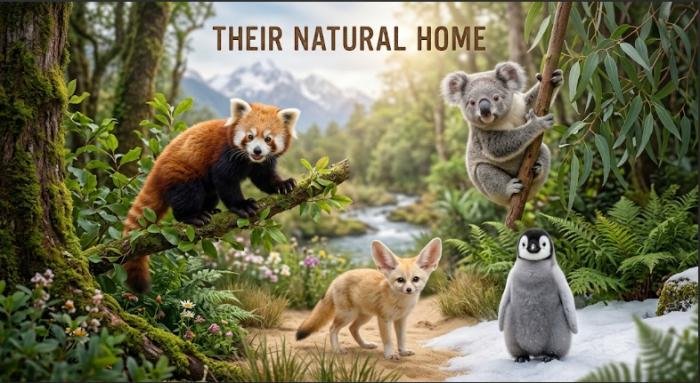
These remarkable creatures thrive in a wide range of habitats across the globe:
Forests: Red pandas, sloths, kinkajous, pygmy marmosets, and slow lorises depend on healthy forests for food and shelter.
Deserts: Fennec foxes survive extreme heat thanks to their specialized ears and nighttime lifestyle.
Polar Regions: Arctic foxes and harp seals are perfectly adapted to freezing climates.
Oceans and Rivers: Sea otters spend much of their lives in coastal waters, where they help maintain healthy marine ecosystems.
Grasslands and Mountains: Alpacas, rabbits, and meerkats flourish in open landscapes with abundant vegetation.
Why Protecting Cute Animals Matters
Many cute animals face growing threats from habitat destruction, climate change, pollution, illegal wildlife trade, and human activities. While their adorable appearance attracts attention, conservation efforts should focus on their ecological importance as well as their charm.
Every species plays a role in maintaining healthy ecosystems. Sea otters help control sea urchin populations, allowing kelp forests to thrive. Red pandas contribute to forest biodiversity, while rabbits and other small mammals support food chains by serving as prey for larger predators. You can help protect wildlife by:
- Supporting trusted wildlife conservation organizations.
- Reducing plastic waste that harms marine life.
- Respecting animals in their natural habitats.
- Choosing ethical wildlife tourism experiences.
- Learning about endangered species and sharing accurate information.
Benefits of Watching Cute Animals
Spending time looking at cute animals is not only entertaining but can also benefit your well-being.
Improves Mood Watching playful animals often triggers positive emotions and laughter, making it easier to relax after a stressful day.
Reduces Stress: Research suggests that viewing adorable animals may lower stress levels and encourage feelings of calm and happiness.
Encourages Learning: Children and adults alike become more interested in science and nature after learning about fascinating animal species.
Promotes Compassion: Understanding wildlife encourages empathy and inspires people to care for both animals and the environment.
Conclusion
As cities expand, forests shrink, and climate change intensifies, many cute animals are losing the safe habitats they depend on to survive. Without greater awareness and responsible action, some of these remarkable species could become increasingly rare for future generations. The good news is that every individual can make a positive impact by supporting conservation efforts, reducing environmental waste, respecting wildlife. and Choosing ethical ways to experience nature.
You’ll discover 25 amazing cute animals, learn fascinating facts about them, and understand why protecting them matters to our ecosystems.” . Hopefully, it has inspired you to appreciate these incredible creatures and take small but meaningful steps to help protect the natural world they call home.
Frequently Asked Questions (FAQs)
Q1: What is the cutest animal in the world?
Ans: There is no single answer because preferences vary. Red pandas, quokkas, koalas, and sea otters are consistently ranked among the world’s cutest animals.
Q2: Why do people love cute animals so much?
Ans: Features such as large eyes, round faces, soft fur, and playful behavior naturally trigger positive emotional responses in humans.
Q3: Which cute animals are endangered?
Ans: Red pandas, several sea otter populations, slow lorises, and some penguin species face conservation challenges due to habitat loss and other environmental threats.
Q4: Are all cute animals good pets?
Ans: No. Many wild animals have specialized diets, behaviors, and habitat requirements that cannot be met in a home environment. They should remain in the wild or in professional care.
Q5: Which cute animal is the smallest?
Ans: The pygmy marmoset is one of the world’s smallest monkeys, while tiny mammals such as certain shrews are even smaller.
Q6: How can I help protect cute animals?
Ans: Support conservation organizations, reduce pollution, avoid buying products made from wildlife, and promote responsible tourism that respects natural habitats.
Q7: Where can I safely see cute animals?
Ans: Ethical wildlife sanctuaries, national parks, nature reserves, and accredited zoos provide excellent opportunities to observe animals while supporting conservation and education.