Beauty Tips – Well Health Organic.com: Natural Beauty Care
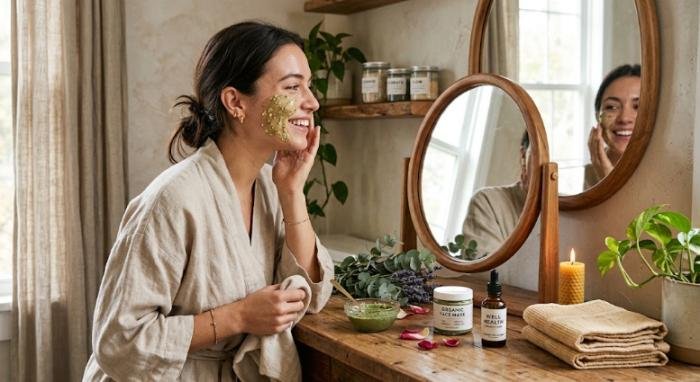
beauty tips – well health organic.com. In most cases, a practical routine starts with a few consistent habits: cleanse the skin gently, moisturize appropriately, protect against ultraviolet (UV) exposure, and choose products that suit your skin rather than simply following trends. Harvard Health similarly recommends keeping daily skin care simple, while the American Academy of Dermatology (AAD) emphasizes cleansing, moisturizing, and sun protection as basic skin-care practices.
The idea behind beauty tips – well health organic.com should therefore be practical rather than based on promises of instant transformation. Natural or organic ingredients can be part of a personal routine, but “natural” does not automatically mean safer or more effective. The U.S. Food and Drug Administration (FDA) specifically cautions consumers not to assume that products are safer simply because their ingredients come from natural or organic sources.
What Does Natural Beauty Care Really Mean?
Natural beauty care generally refers to everyday practices and cosmetic choices intended to support healthy-looking skin, hair, and overall appearance while avoiding unnecessary complexity.It can include:
- Gentle cleansing
- Regular moisturization
- Sun protection
- Appropriate hair care
- Balanced nutrition
- Adequate hydration
- Safe cosmetic use
- Avoiding habits that can damage skin or hair
However, there is an important distinction between natural beauty care and the claim that every natural ingredient is beneficial.The FDA states that the source of a cosmetic ingredient does not determine its safety. Some plants and naturally derived substances can cause irritation, allergic reactions, or other problems.
Read More: Follow Size Explained Meaning, Uses, and Selection
beauty tips – well health organic.comNatural vs. Organic Beauty Products
The words “natural” and “organic” can have different meanings depending on the product and labeling system. In the United States, the FDA does not have a specific legal definition for “organic” cosmetics under the laws it administers. USDA rules can apply to certain organic claims involving agricultural ingredients, while cosmetic products remain subject to FDA requirements.
For this reason, it is better to judge a beauty product by its ingredients, labeling, intended use, and your own skin’s response rather than assuming that an “organic” label guarantees better results.
Why Simple Beauty Habits Matter
A lengthy routine is not automatically a better routine. Harvard Health notes that everyday skin care can be kept to a few practical steps, including cleansing, sun protection, and addressing specific skin concerns.
Consistency is often more useful than constantly changing products. A simple routine also makes it easier to identify which product may be causing irritation.For most people, a sensible starting point is:
- Cleanse gently.
- Moisturize according to skin needs.
- Protect exposed skin from UV radiation.
- Address specific concerns when necessary.
Beauty Tips – Well Health Organic.com for Healthy Skin
Healthy-looking skin begins with protecting the skin barrier and avoiding unnecessary irritation. Your skin is affected by environmental exposure, age, lifestyle, genetics, and the products you use.
Start With Gentle Cleansing
Cleansing removes accumulated dirt, oil, cosmetics, and other debris from the skin. The AAD recommends using a gentle cleanser and limiting face washing to twice a day and after sweating to reduce unnecessary irritation.
Avoid treating cleansing as a competition. Scrubbing harder does not necessarily produce cleaner or healthier skin. Excessive washing or aggressive rubbing may leave sensitive skin feeling dry or irritated.A practical approach is to use a cleanser suited to your skin type and wash with lukewarm rather than very hot water.
Moisturize According to Your Skin Type
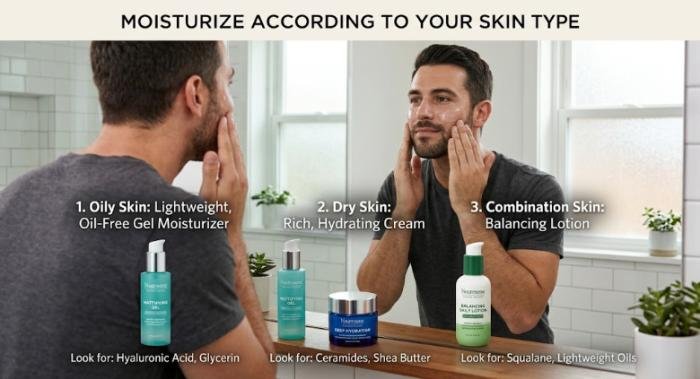
Moisturizers help reduce water loss from the skin and can make dry or rough skin feel more comfortable. The AAD recommends applying moisturizer to damp skin and notes that even people with oily skin may benefit from appropriate moisturization.Different formulations can suit different needs:
| Skin type | Practical care approach | What to consider |
| Dry | Use a richer moisturizer regularly | Creams or ointments may be useful |
| Oily | Choose a suitable lightweight moisturizer | Consider non-comedogenic products |
| Combination | Adjust care to different areas | Avoid overly harsh products |
| Sensitive | Keep the routine simple | Introduce new products cautiously |
| Normal | Maintain basic cleansing and moisturizing | Avoid unnecessary product changes |
Beauty Tips for Different Skin Types
No single routine works perfectly for everyone. Knowing how your skin behaves can help you avoid unnecessary products.
Beauty Tips for Dry Skin
Dry skin may feel rough, tight, flaky, or itchy. A gentle cleanser and regular moisturizer can help reduce discomfort.The National Institute on Aging recommends mild soap, warm rather than hot water, and daily moisturizers such as lotions, creams, or ointments for dry skin.Try to avoid:
- Very hot showers
- Excessive soap
- Aggressive exfoliation
- Frequent product switching
- Fragranced products if they repeatedly irritate your skin
Beauty Tips for Oily Skin
Oily skin produces more sebum and may appear shiny or greasy. That does not mean you should remove every trace of oil.Gentle cleansing and suitable non-comedogenic products can be useful. The AAD recommends choosing products appropriate for your skin type and considering “non-comedogenic” products when clogged pores are a concern.
Beauty Tips for Combination Skin
Combination skin can be oily in some areas and dry in others. Instead of applying the strongest available product everywhere, consider what each area actually needs.A simple routine with gentle cleansing, appropriate moisturization, and sun protection is usually a more practical starting point than multiple specialized products.
Beauty Tips for Sensitive Skin
Sensitive skin may sting, burn, itch, or become red after using certain products.When your skin is sensitive:
- Keep the routine simple.
- Introduce one new product at a time.
- Read the ingredient and warning information.
- Stop using a product that causes significant irritation.
- Seek professional advice if reactions persist.
A Simple Morning Beauty Routine
A practical morning routine can be short and consistent.
Step 1: Cleanse Gently: Use an appropriate cleanser if your skin needs cleansing in the morning. Avoid unnecessary scrubbing.
Step 2: Moisturize: Apply a moisturizer suited to your skin type. Applying it to damp skin can help retain moisture.
Step 3: Apply Sunscreen: Use broad-spectrum sunscreen with SPF 30 or higher when appropriate, especially when spending time outdoors. Reapply according to the product directions and exposure conditions.
Step 4: Apply Makeup If Desired: Makeup can be part of a beauty routine, but it should be used safely. Wash your hands before application and follow product directions. The FDA recommends reading labels and following warnings for cosmetic products.
A Simple Evening Beauty Routine
Evening care is a useful opportunity to remove products and accumulated debris.
Remove Makeup and Other Products: If you wear makeup or other cosmetic products during the day, remove them according to appropriate cleansing practices.
Cleanse Without Overdoing It: A gentle cleanser can remove dirt, oil, and cosmetic residue without the need for aggressive scrubbing.
Moisturize: Apply a moisturizer appropriate for your skin. Dry or mature skin may benefit from richer formulations.
Keep the Routine Consistent: There is no requirement to use numerous products every night. Harvard Health emphasizes that effective daily skin care does not need to be elaborate.
Natural Beauty Tips for Healthier-Looking Hair

Hair care is another part of a natural beauty routine, but healthy hair does not come from one universal product.
Keep the Scalp Clean
Hair-washing frequency depends on factors such as scalp oiliness, hair texture, activity, and personal preference. The goal is to keep the scalp reasonably clean without causing unnecessary dryness or irritation.
Choose Hair Products Carefully
Read product labels and consider your scalp and hair needs. If a shampoo, conditioner, dye, or styling product repeatedly causes irritation, stop using it.Hair dyes and other cosmetics should always be used according to their instructions.
Limit Excessive Heat and Mechanical Damage
Frequent high-heat styling, tight hairstyles, or rough handling can contribute to hair damage. Using gentler techniques and avoiding unnecessary tension can help reduce mechanical stress.
Pay Attention to Significant Hair Loss
Normal hair shedding is different from sudden or substantial hair loss. Significant changes can have many possible causes, including medical conditions and nutritional factors.If hair loss is sudden, extensive, or accompanied by scalp symptoms, a dermatologist or other qualified healthcare professional can help determine the cause.
Beauty Habits That Support Healthy Skin
Skin care is only one part of maintaining healthy-looking skin. General lifestyle habits also matter.
Eat a Balanced Diet
A varied diet provides nutrients required for normal body function, including the maintenance of tissues such as skin and hair.
Rather than relying on a single “beauty food,” focus on an overall balanced eating pattern.
Stay Adequately Hydrated
Adequate fluid intake supports normal body function. Individual fluid needs vary depending on factors such as activity, climate, diet, and health.Drinking excessive amounts of water is not a substitute for skin care and should not be promoted as a guaranteed solution for wrinkles or acne.
Avoid Smoking
Smoking is associated with premature skin aging. The National Institute on Aging includes not smoking among lifestyle measures that can support healthier skin as people age.
Manage Stress and Maintain Healthy Habits
Stress, sleep, diet, physical activity, and other aspects of general health can influence how people feel and function, and they can affect overall appearance as well.The NIA recommends healthy lifestyle practices such as maintaining a healthy diet, staying hydrated, managing stress, avoiding smoking, and protecting the skin from the sun.
How to Choose Safer Beauty and Skincare Products
Buying a product because it has an attractive label is not enough. A thoughtful approach starts with the ingredient list, directions, warnings, and intended use.
Read the Full Product Label
The FDA recommends reading the entire cosmetic label, including ingredients, warnings, and instructions.Pay particular attention to:
- Directions for use
- Warnings
- Ingredient lists
- Storage instructions
- Skin or age restrictions where applicable
- Claims made about the product
“Natural” Does Not Automatically Mean Safer
This is one of the most important points in natural beauty care.
Plants and naturally derived substances can contain compounds that irritate skin or trigger allergic reactions. The FDA specifically notes that ingredient source does not determine safety.Therefore, avoid assuming that homemade or plant-based products are automatically harmless.
Consider Your Specific Skin Needs
A product that works well for one person may not suit another person. Skin type, sensitivity, allergies, climate, age, and existing skin conditions can all influence product tolerance.If you are unsure about your skin type or have an ongoing skin condition, a dermatologist can provide individualized advice.
Introduce New Products Carefully
Rather than changing several products simultaneously, introduce unfamiliar products one at a time. This makes it easier to identify a potential cause if irritation develops.If you develop a significant reaction, stop using the suspected product and seek medical advice when appropriate. FDA guidance recommends stopping a cosmetic that causes a serious problem and contacting a healthcare provider.
Beauty Tips for Different Ages
Skin naturally changes throughout life.
Beauty Care in Your 20s: Focus on establishing sustainable habits rather than chasing complicated anti-aging routines.A basic approach includes:
- Gentle cleansing
- Appropriate moisturizing
- Regular sun protection
- Safe cosmetic use
Beauty Care in Your 30s and 40s: Continue the basics while paying attention to individual changes in dryness, pigmentation, sensitivity, or other concerns.There is no need to add multiple products simply because of age. Choose products based on actual needs.
Beauty Care as You Age: Aging can make skin thinner, drier, and less elastic. Reduced oil production and cumulative UV exposure can also contribute to visible changes.Moisturizing, sun protection, protective clothing, and regular attention to changing skin can remain useful.
When Should You See a Dermatologist?
Beauty advice is not a substitute for medical diagnosis. Consider professional evaluation if you have:
- Persistent or severe acne
- Sudden or substantial hair loss
- Persistent itching or burning
- Repeated unexplained rashes
- Severe or ongoing dryness
- A changing mole or suspicious skin lesion
- A cosmetic reaction that does not improve
- A new skin change that concerns you
Final Thoughts on Beauty Tips – Well Health Organic.com
Effective natural beauty care does not need to be complicated. The most useful approach is to build a routine around habits that have a reasonable evidence base: gentle cleansing, appropriate moisturization, regular sun protection, safe cosmetic use, and healthy lifestyle practices.
The word “natural” should also be used thoughtfully. A plant-derived or organic ingredient is not automatically safer, and a conventional cosmetic is not automatically harmful. Product safety depends on the ingredients, formulation, labeling, intended use, and individual response.
For a practical beauty tips – well health organic.com routine, start with the basics, keep your products appropriate for your skin and hair, make sun protection a regular habit, and avoid unsupported promises of instant or permanent results. When a skin or hair concern is persistent or unusual, professional medical advice is the safest next step.
FAQs About Beauty Tips – Well Health Organic.com
Q1: What are the best daily beauty tips for healthy-looking skin?
Ans: Start with a simple routine: cleanse gently, moisturize according to your skin type, and protect exposed skin from UV radiation. The AAD and Harvard Health both emphasize these basic habits as practical foundations for everyday skin care.
Q2: Are natural beauty products always safer?
Ans: No. The FDA states that an ingredient’s natural or organic source does not determine its safety. Some naturally derived substances can cause irritation or allergic reactions.
Q3: How often should I wash my face?
Ans: The AAD generally recommends washing the face twice a day and after sweating, using a gentle cleanser. Individual needs can vary depending on skin type and circumstances.
Q4: Is sunscreen really necessary as part of a beauty routine?
Ans: Yes. Sunscreen helps protect against UV exposure, which contributes to premature skin aging and skin cancer. Broad-spectrum SPF 30 or higher is a commonly recommended choice, with reapplication when exposure continues.
Q5: What is the simplest skincare routine?
Ans: A practical basic routine is gentle cleansing, appropriate moisturization, and sun protection. Additional products can be considered when there is a specific skin concern. Harvard Health supports keeping everyday skin care simple.
Q6: How should I choose skincare products for my skin type?
Ans: Consider whether your skin is dry, oily, combination, normal, or sensitive, then select products designed for those needs. The AAD recommends choosing products that fit your skin type and considering non-comedogenic products when appropriate.
Q7: Can natural ingredients irritate the skin?
Ans: Yes. Natural ingredients can still contain substances that irritate skin or trigger allergic reactions. Plant-derived essential oils and other natural substances should therefore be treated with the same care as other cosmetic ingredients.